
Any questions?
+34 655 641 050 >
 Alfa Romeo
 Audi
Audi
 Bentley
 BMW
BMW
 Cadillac
 Chevrolet
 Chrysler
 Citroen
 Dacia
Dacia
 Daewoo
 DAF
DAF
 Dodge
Dodge
 Ferrari
 Fiat
Fiat
 Ford
Ford
 GMC
GMC
 Honda
Honda
 Hummer
 Hyundai
 Infiniti
 Iveco
Iveco
 Jaguar
 Jeep
Jeep
 Kia
Kia
 Lada
Lada
 Lamborghini
 Lancia
 Land Rover
 MAN
MAN
 Maserati
 Maybach
 Mazda
Mazda
 Mercedes Benz
 MG
MG
 Microcar
 Mini
Mitsubishi
Mini
Mitsubishi
 Multicar
 Nissan
 Opel
Opel
 Peugeot
 Porsche
 Renault
 Rover
Rover
 SAAB
SAAB
 Seat
Seat
 Skoda
Skoda
 Smart
Smart
 SsangYong
 Subaru
 Susuki
 Toyota
 Volkswagen
 Volvo
Volvo
 Immobiliser deactivation in Murcia
 Car key copying in Murcia
 Particulate filter cleaning in Murcia
 Lost car keys in Murcia
 Hybrid and electric car battery repair in Murcia
 ECU repair in Murcia
Instrument cluster repair in Murcia
ECU repair in Murcia
Instrument cluster repair in Murcia
 Electric power steering repair in Murcia
 Car key repair in Murcia
 ABS module repair in Murcia
 CAS module repair in Murcia
 FRM module repair in Murcia
 SRS module repair in Murcia
 Renault and Dacia UCH repair in Murcia
ECU remapping in Murcia
Renault and Dacia UCH repair in Murcia
ECU remapping in Murcia
 Car key cards in Murcia
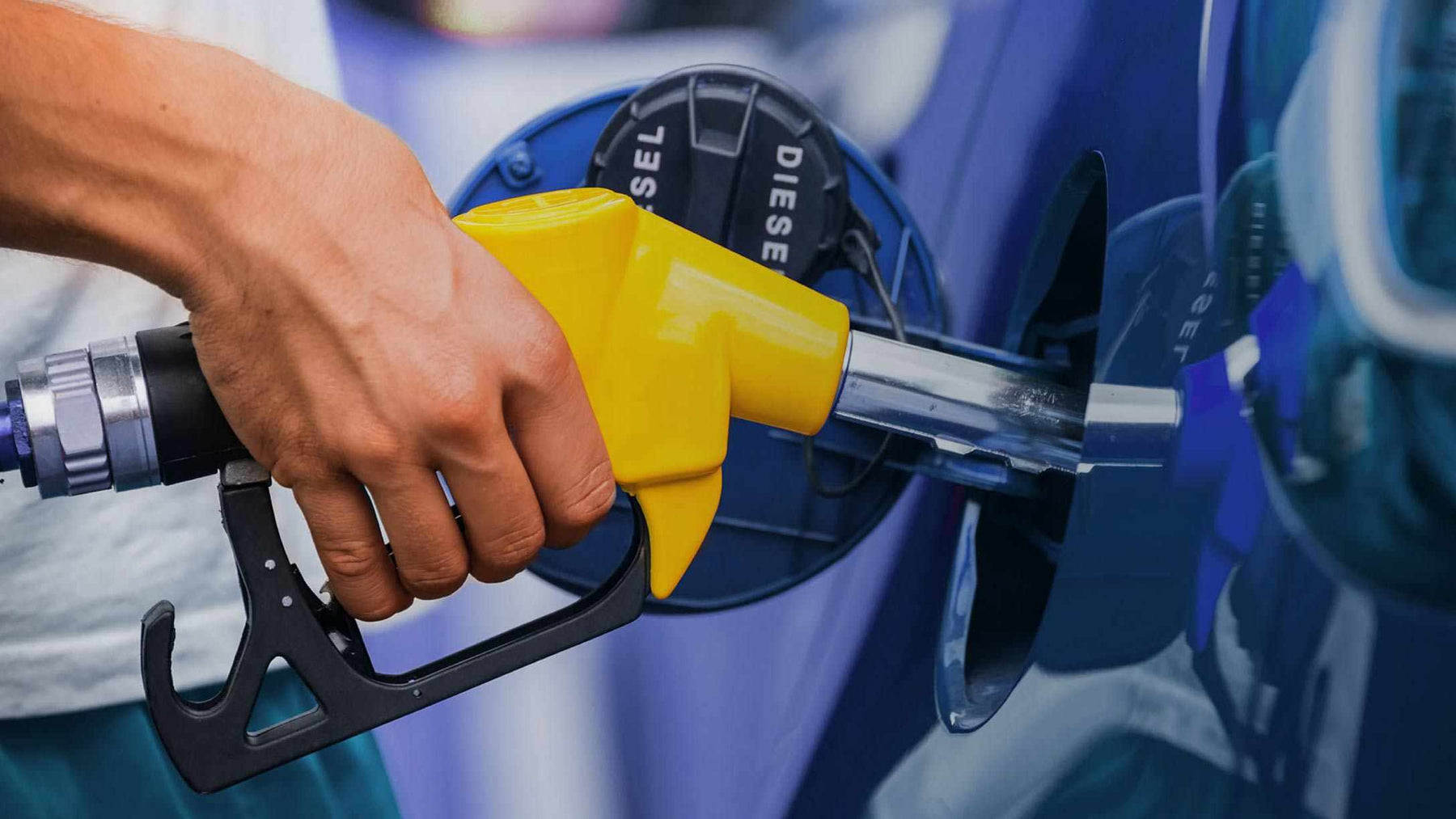
An unexpected rise in fuel consumption —without changing your route or driving style— is almost never a coincidence. And more often than you might think, the cause lies in the electronic engine management, not in the mechanics. Here are the real causes in order of likelihood, how to detect them, and also which "miracle solutions" on the market do not work, so you do not waste money on them.
The ECU constantly regulates the proportion of air and fuel based on what the sensors tell it (MAF, MAP, temperature, lambda sensor…). It is a closed-loop system: it measures, corrects, measures again.
If any of those sensors lies, the ECU corrects based on false data and the mixture goes out of balance: the engine burns more petrol or diesel than necessary, and all you notice is the tank emptying sooner.
In diesels there is another very common cause that is not a sensor: a clogged DPF (particulate filter). A filter saturated with soot is equivalent to a partial plug in the exhaust: the engine has to work harder to expel the gases, loses power… and uses more fuel. On top of that, every automatic regeneration injects extra fuel, so a DPF that regenerates again and again without success sends consumption up twice over.
It is a typical picture of urban use —short journeys that interrupt regeneration— and it is not solved by fitting a new filter: the complete DPF cleaning with specialised machinery restores the original filter. Removing it, on the other hand, is illegal and detectable at the Spanish roadworthiness test (ITV).
In these cases, a correct remapping or cloning can restore the original factory values and, with them, normal consumption.
Before replacing any part, an OBD reading allows you to:
Ten minutes of diagnostics saves hundreds of euros in parts replaced blindly.
Among the classic material on fuel saving, it is worth separating the wheat from the chaff. This is what the evidence supports:
And this is what does not work, however much it is advertised:
A sudden rise in consumption is a symptom, not a fault in itself: behind it there is a sensor that lies, a saturated DPF or a misconfigured ECU. Finding out which is a matter of diagnostics, not luck — and it is certainly not fixed with magnets.
At Ecumotorstock we repair and recalibrate ECUs that alter consumption management: request collection of your unit from your home or workshop and we return it bench-verified and with a warranty. See our ECU repair service.
{"one"=>"Select 2 or 3 items to compare", "other"=>"{{ count }} of 3 items selected"}
 ECU cloning
 ECU rental
 BCM repair
 ECU sales
 Audi
Audi
 Lexus
Lexus
Leave a comment