
Any questions?
+34 655 641 050 >
 Alfa Romeo
 Audi
Audi
 Bentley
 BMW
BMW
 Cadillac
 Chevrolet
 Chrysler
 Citroen
 Dacia
Dacia
 Daewoo
 DAF
DAF
 Dodge
Dodge
 Ferrari
 Fiat
Fiat
 Ford
Ford
 GMC
GMC
 Honda
Honda
 Hummer
 Hyundai
 Infiniti
 Iveco
Iveco
 Jaguar
 Jeep
Jeep
 Kia
Kia
 Lada
Lada
 Lamborghini
 Lancia
 Land Rover
 MAN
MAN
 Maserati
 Maybach
 Mazda
Mazda
 Mercedes Benz
 MG
MG
 Microcar
 Mini
Mitsubishi
Mini
Mitsubishi
 Multicar
 Nissan
 Opel
Opel
 Peugeot
 Porsche
 Renault
 Rover
Rover
 SAAB
SAAB
 Seat
Seat
 Skoda
Skoda
 Smart
Smart
 SsangYong
 Subaru
 Susuki
 Toyota
 Volkswagen
 Volvo
Volvo
 Immobiliser deactivation in Murcia
 Car key copying in Murcia
 Particulate filter cleaning in Murcia
 Lost car keys in Murcia
 Hybrid and electric car battery repair in Murcia
 ECU repair in Murcia
Instrument cluster repair in Murcia
ECU repair in Murcia
Instrument cluster repair in Murcia
 Electric power steering repair in Murcia
 Car key repair in Murcia
 ABS module repair in Murcia
 CAS module repair in Murcia
 FRM module repair in Murcia
 SRS module repair in Murcia
 Renault and Dacia UCH repair in Murcia
ECU remapping in Murcia
Renault and Dacia UCH repair in Murcia
ECU remapping in Murcia
 Car key cards in Murcia
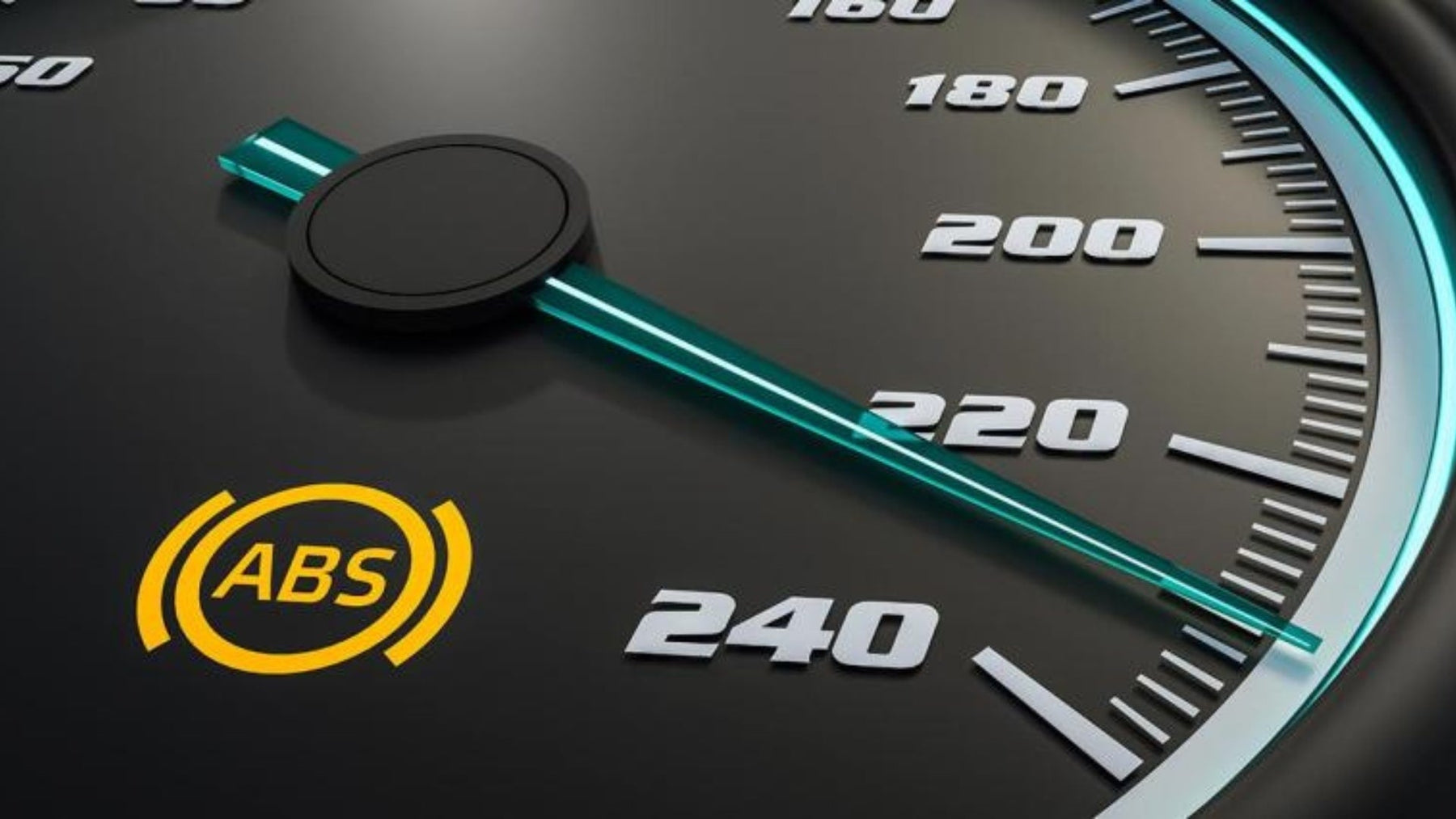
For many, the term ABS might not ring a bell, while for others, the acronym might sound familiar without them actually knowing what it stands for. The truth is that this system is vital for ensuring safer driving. Alongside other safety features like airbags and seatbelts, it has become a standard element in practically all modern vehicles.
The acronym stands for Anti-lock Braking System. It refers to the mechanism that prevents the wheels from "locking up" during braking, which would cause the driver to lose steering control. Essentially, its job is to prevent the wheels from skidding and causing the vehicle to lose stability when you hit the brakes hard.
Losing steering or "skidding" while braking is one of the most dangerous situations a driver can face. As mentioned, it means swerving unpredictably and losing total control over the vehicle's trajectory, making it impossible to avoid obstacles efficiently. In extreme cases, this can lead to the vehicle running off the road.
The anti-lock braking system was born in the 1960s as an alternative to traditional brakes. However, it wasn't mass-produced for cars until the 1990s, and it didn't become a requirement for motorcycles until 2016.
The basic concept is simple: when the system detects that the vehicle is still moving but the wheels have locked (or are about to lock), it automatically reduces the brake pressure on them. It releases the brakes partially—just enough to keep the wheels rotating.
It is roughly the equivalent of manually pumping the brakes every few seconds to prevent skidding. Instead of the driver having to do this manually during an emergency, the ABS does it for you—only much faster and more accurately.
One of the greatest advantages is the ability to perform evasive maneuvers while braking. In other words, you can still control the car's direction even when the brake pedal is floored. Furthermore, as paradoxical as it may seem, vehicles equipped with an anti-lock braking system can often reduce their total braking distance by up to half.
Below, we have included a short video comparing the effectiveness of both braking systems. You can clearly see how vehicles without ABS tend to skid and swerve uncontrollably...
{"one"=>"Select 2 or 3 items to compare", "other"=>"{{ count }} of 3 items selected"}
 ECU cloning
 ECU rental
 BCM repair
 ECU sales
 Audi
Audi
 Lexus
Lexus
Leave a comment