
Any questions?
+34 655 641 050 >
 Alfa Romeo
 Audi
Audi
 Bentley
 BMW
BMW
 Cadillac
 Chevrolet
 Chrysler
 Citroen
 Dacia
Dacia
 Daewoo
 DAF
DAF
 Dodge
Dodge
 Ferrari
 Fiat
Fiat
 Ford
Ford
 GMC
GMC
 Honda
Honda
 Hummer
 Hyundai
 Infiniti
 Iveco
Iveco
 Jaguar
 Jeep
Jeep
 Kia
Kia
 Lada
Lada
 Lamborghini
 Lancia
 Land Rover
 MAN
MAN
 Maserati
 Maybach
 Mazda
Mazda
 Mercedes Benz
 MG
MG
 Microcar
 Mini
Mitsubishi
Mini
Mitsubishi
 Multicar
 Nissan
 Opel
Opel
 Peugeot
 Porsche
 Renault
 Rover
Rover
 SAAB
SAAB
 Seat
Seat
 Skoda
Skoda
 Smart
Smart
 SsangYong
 Subaru
 Susuki
 Toyota
 Volkswagen
 Volvo
Volvo
 Immobiliser deactivation in Murcia
 Car key copying in Murcia
 Particulate filter cleaning in Murcia
 Lost car keys in Murcia
 Hybrid and electric car battery repair in Murcia
 ECU repair in Murcia
Instrument cluster repair in Murcia
ECU repair in Murcia
Instrument cluster repair in Murcia
 Electric power steering repair in Murcia
 Car key repair in Murcia
 ABS module repair in Murcia
 CAS module repair in Murcia
 FRM module repair in Murcia
 SRS module repair in Murcia
 Renault and Dacia UCH repair in Murcia
ECU remapping in Murcia
Renault and Dacia UCH repair in Murcia
ECU remapping in Murcia
 Car key cards in Murcia
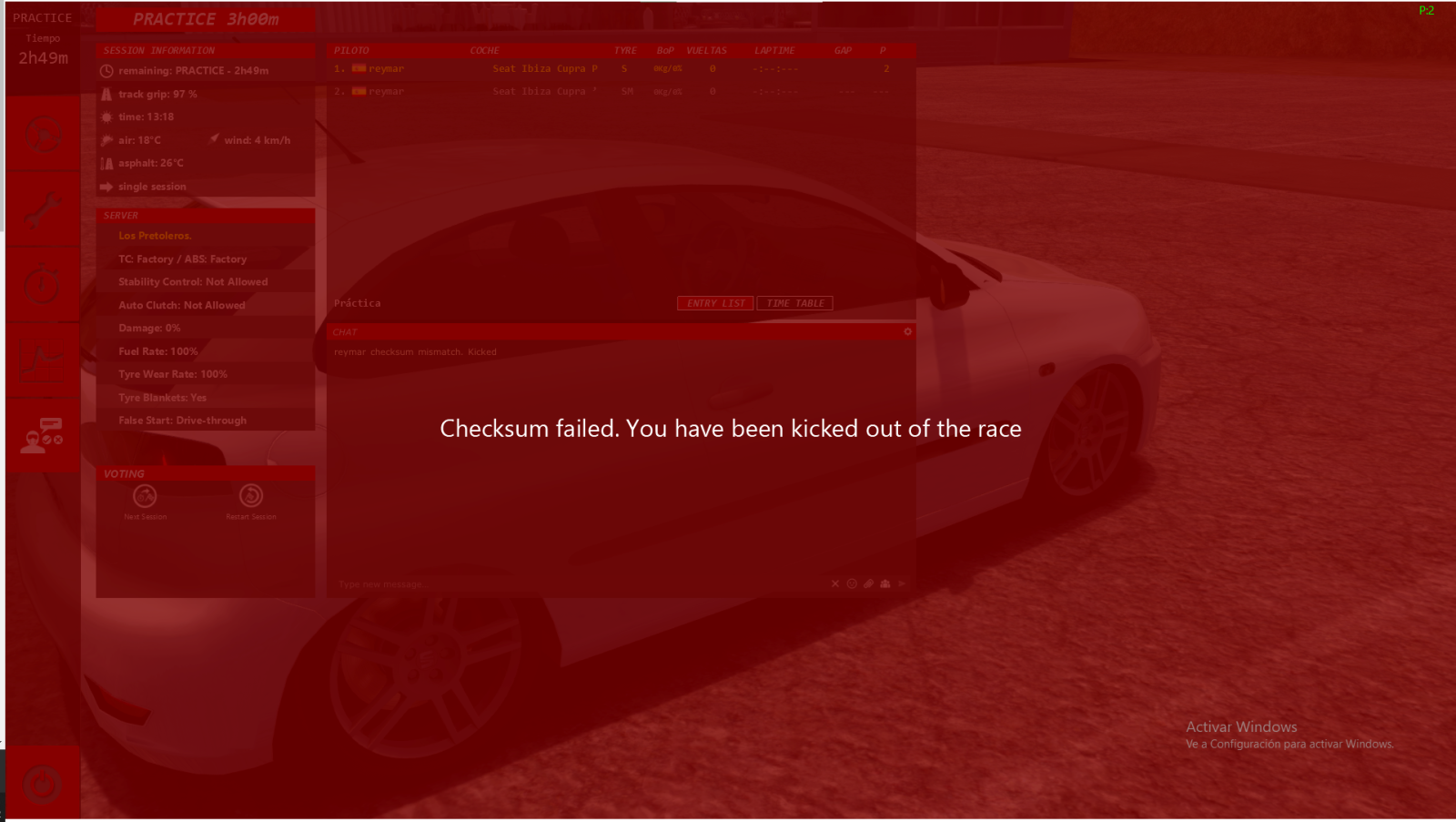
One of the most dreaded errors when reprogramming an ECU is the infamous "checksum error." And although it may seem technical or complex, understanding it—and knowing how to avoid it—is key to not ruining a remap and, above all, not leaving your car immobilized.
At ECUmotorstock, we work daily with workshops throughout Spain that face this problem. That's why today we're explaining what a checksum is, how it works, and how Magic Motorsport's FLEX has become the most effective tool for resolving it, doubling the revenue of many professionals thanks to its speed and reliability.
What is a Checksum in an ECU?
A checksum is a verification system. Basically, it's a calculation that the ECU itself performs to ensure that the file it contains hasn't been damaged or incorrectly modified.
When you modify maps (injection, torque, turbo, DPF, EGR, etc.), the bytes change. If you don't recalculate the checksum correctly, the ECU detects that something is wrong… and it can crash, throw errors, or even prevent the engine from starting.
How does the checksum work?
The ECU reads the internal file and calculates a checksum value based on its contents.
When you write a modified file, the system automatically recalculates the checksum.
If the new file doesn't match the expected calculation, the ECU detects the error and can:
Throw a DTC (Diagnostic Trouble Code)
Put the ECU into emergency mode
Prevent the engine from starting
Or, in the worst case, become inoperable (bricked)
How to fix a checksum error?
✅ 1. Use a tool that automatically calculates the checksum
Many inexpensive tools don't recalculate the checksum correctly or do so only partially.
FLEX, on the other hand, does it automatically, in real time, and with very high accuracy. You don't need to use additional software or manually edit the file.
Prevent failure before it happens.
✅ 2. Loading a complete backup
If the file fails to boot after writing, the only way to save the ECU is to have a complete and functional backup that allows you to revert to the previous state.
FLEX automatically creates this backup before each write operation, so you don't have to remember. This way, if something goes wrong, you can restore the original state in minutes, even in Boot mode.
Why is FLEX the best tool for avoiding checksum errors?
🔁 Automatically recalculates all checksums upon writing, without extra steps
🧠 Detects errors before writing, displaying alerts if something doesn't match
💾 Performs complete backups before each write operation, even via OBD
🔐 Allows file restoration even if the car won't start (Boot Recovery)
📈 Weekly updates to cover new ECUs and checksum algorithms
What if you purchase FLEX from ECUmotorstock?
🎁 We're giving you 10 free professional calibration files (tuning, DPF, EGR, immobilizer, etc.)
🔧 We provide support in Spanish and initial training so you can start working from day one.
📈 We help you double your revenue with a reliable, fast, and secure tool.
The checksum isn't a minor technical detail: it's the difference between a job well done and a locked ECU.
With FLEX, you not only avoid the problem, but you also work with peace of mind, security, and speed. And with ECUmotorstock, you start earning from minute one thanks to the 10 free files and our professional support.
✅ Click here, request your FLEX, and start doubling your revenue today.
{"one"=>"Select 2 or 3 items to compare", "other"=>"{{ count }} of 3 items selected"}
 ECU cloning
 ECU rental
 BCM repair
 ECU sales
 Audi
Audi
 Lexus
Lexus
Leave a comment