
Any questions?
+34 655 641 050 >
 Alfa Romeo
 Audi
Audi
 Bentley
 BMW
BMW
 Cadillac
 Chevrolet
 Chrysler
 Citroen
 Dacia
Dacia
 Daewoo
 DAF
DAF
 Dodge
Dodge
 Ferrari
 Fiat
Fiat
 Ford
Ford
 GMC
GMC
 Honda
Honda
 Hummer
 Hyundai
 Infiniti
 Iveco
Iveco
 Jaguar
 Jeep
Jeep
 Kia
Kia
 Lada
Lada
 Lamborghini
 Lancia
 Land Rover
 MAN
MAN
 Maserati
 Maybach
 Mazda
Mazda
 Mercedes Benz
 MG
MG
 Microcar
 Mini
Mitsubishi
Mini
Mitsubishi
 Multicar
 Nissan
 Opel
Opel
 Peugeot
 Porsche
 Renault
 Rover
Rover
 SAAB
SAAB
 Seat
Seat
 Skoda
Skoda
 Smart
Smart
 SsangYong
 Subaru
 Susuki
 Toyota
 Volkswagen
 Volvo
Volvo
 Immobiliser deactivation in Murcia
 Car key copying in Murcia
 Particulate filter cleaning in Murcia
 Lost car keys in Murcia
 Hybrid and electric car battery repair in Murcia
 ECU repair in Murcia
Instrument cluster repair in Murcia
ECU repair in Murcia
Instrument cluster repair in Murcia
 Electric power steering repair in Murcia
 Car key repair in Murcia
 ABS module repair in Murcia
 CAS module repair in Murcia
 FRM module repair in Murcia
 SRS module repair in Murcia
 Renault and Dacia UCH repair in Murcia
ECU remapping in Murcia
Renault and Dacia UCH repair in Murcia
ECU remapping in Murcia
 Car key cards in Murcia
Aquí tienes la traducción al inglés de este artículo educativo sobre el cuadro de instrumentos, utilizando términos técnicos precisos como instrument cluster, gauge, warning lights y rheostat:
Vehicles are designed with systems that allow drivers to detect potential mechanical or electrical faults. Because of this, the instrument cluster is of vital importance to the overall performance of your car.
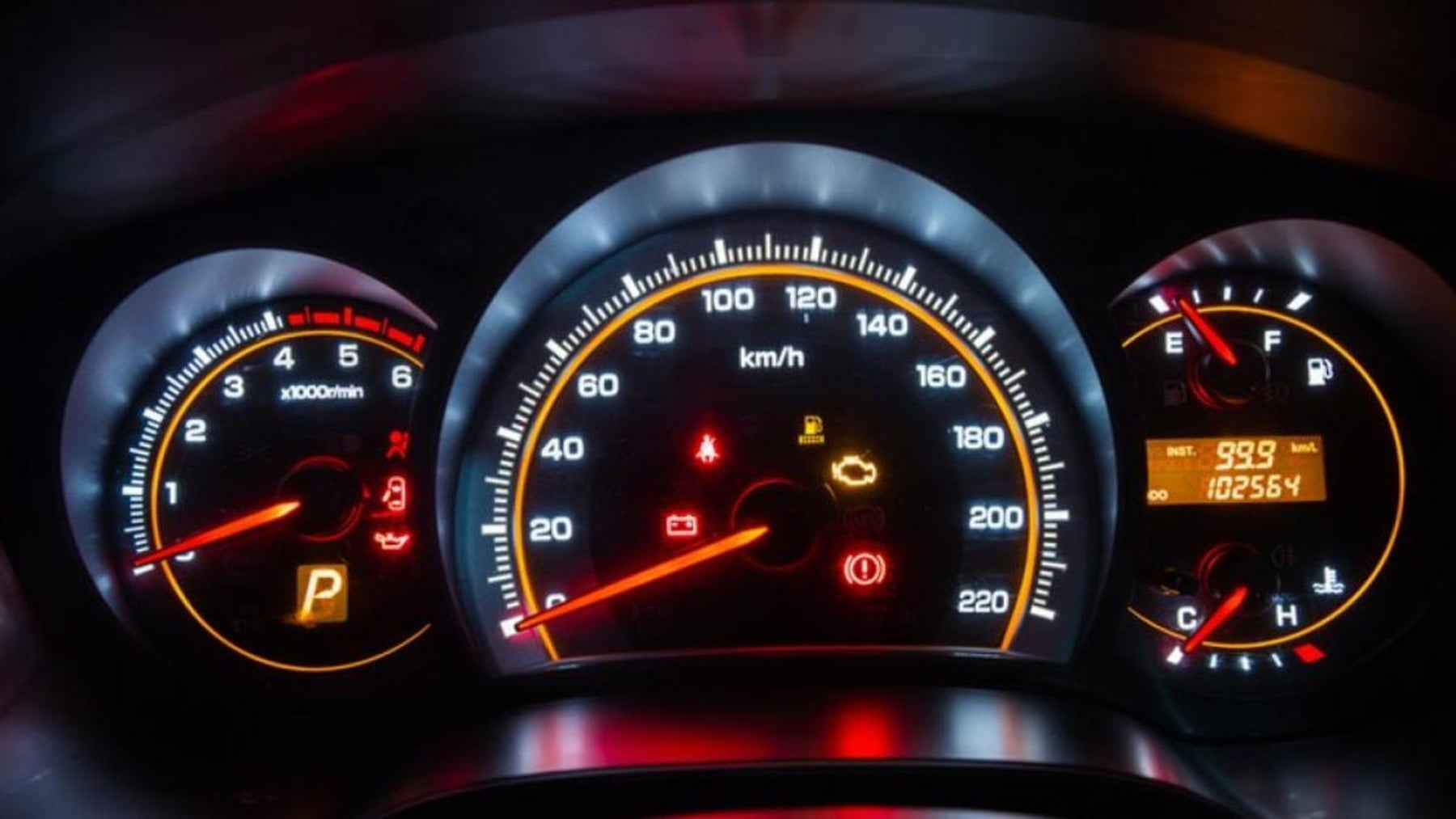
In this section, we provide valuable information regarding the instrument cluster, helping you identify normal levels of fuel, temperature, and speed. Recognizing these indicators is essential for preventing breakdowns and accidents. You will learn to identify the various sensors and warning lights on your dashboard, understand where they are located, and learn about the specific elements that make up your car's display.
Motor vehicles are equipped with a mechanism known as the instrument cluster (or dashboard). It is a centralized array of indicators that provides real-time data on how your car is functioning and its overall performance.
It provides numerical and graphical data through signals known as warning lights (or "telltales"). This allows the driver to monitor:
Fuel and temperature levels.
Engine revolutions (RPM).
Oil pressure and battery status.
Lighting systems and other vehicle-specific parameters.
Located directly behind the steering wheel, the cluster typically features circular gauges with needles (analog) or digital displays that move according to the data received from the vehicle's sensors.
This system uses a float (buoy) inside the fuel tank to monitor the liquid level. It works via a rheostat synchronized with the float and the needle on your dash, showing the driver the exact amount of fuel remaining. It is crucial to ensure the tank does not run too low to avoid affecting the fuel pump or engine performance.
This consists of a thermistor sensor installed in the engine's cylinder head. The resistance of this sensor varies depending on the engine's heat and the amount of coolant or water in the system. On the dashboard, this data is represented through colors (blue for cold, red for hot), icons, or specific numerical values.
Speedometer: This device calculates the speed of the vehicle in motion, determining kilometers or miles per hour based on wheel rotation.
Tachometer: This measures the engine's revolutions per minute (RPM), accounting for the rotations of the crankshaft and gearbox.
Odometer: This tracks the total distance traveled by the vehicle over time.
The instrument cluster is an indispensable tool. Every driver should be able to precisely identify the signals it reflects. Any anomaly detected—such as a warning light staying on or a gauge acting erratically—should be addressed immediately. To ensure your safety, every sensor, cable, and connector within the cluster must remain in optimal condition.
{"one"=>"Select 2 or 3 items to compare", "other"=>"{{ count }} of 3 items selected"}
 ECU cloning
 ECU rental
 BCM repair
 ECU sales
 Audi
Audi
 Lexus
Lexus
Leave a comment