
Any questions?
+34 655 641 050 >
 Alfa Romeo
 Audi
Audi
 Bentley
 BMW
BMW
 Cadillac
 Chevrolet
 Chrysler
 Citroen
 Dacia
Dacia
 Daewoo
 DAF
DAF
 Dodge
Dodge
 Ferrari
 Fiat
Fiat
 Ford
Ford
 GMC
GMC
 Honda
Honda
 Hummer
 Hyundai
 Infiniti
 Iveco
Iveco
 Jaguar
 Jeep
Jeep
 Kia
Kia
 Lada
Lada
 Lamborghini
 Lancia
 Land Rover
 MAN
MAN
 Maserati
 Maybach
 Mazda
Mazda
 Mercedes Benz
 MG
MG
 Microcar
 Mini
Mitsubishi
Mini
Mitsubishi
 Multicar
 Nissan
 Opel
Opel
 Peugeot
 Porsche
 Renault
 Rover
Rover
 SAAB
SAAB
 Seat
Seat
 Skoda
Skoda
 Smart
Smart
 SsangYong
 Subaru
 Susuki
 Toyota
 Volkswagen
 Volvo
Volvo
 Immobiliser deactivation in Murcia
 Car key copying in Murcia
 Particulate filter cleaning in Murcia
 Lost car keys in Murcia
 Hybrid and electric car battery repair in Murcia
 ECU repair in Murcia
Instrument cluster repair in Murcia
ECU repair in Murcia
Instrument cluster repair in Murcia
 Electric power steering repair in Murcia
 Car key repair in Murcia
 ABS module repair in Murcia
 CAS module repair in Murcia
 FRM module repair in Murcia
 SRS module repair in Murcia
 Renault and Dacia UCH repair in Murcia
ECU remapping in Murcia
Renault and Dacia UCH repair in Murcia
ECU remapping in Murcia
 Car key cards in Murcia
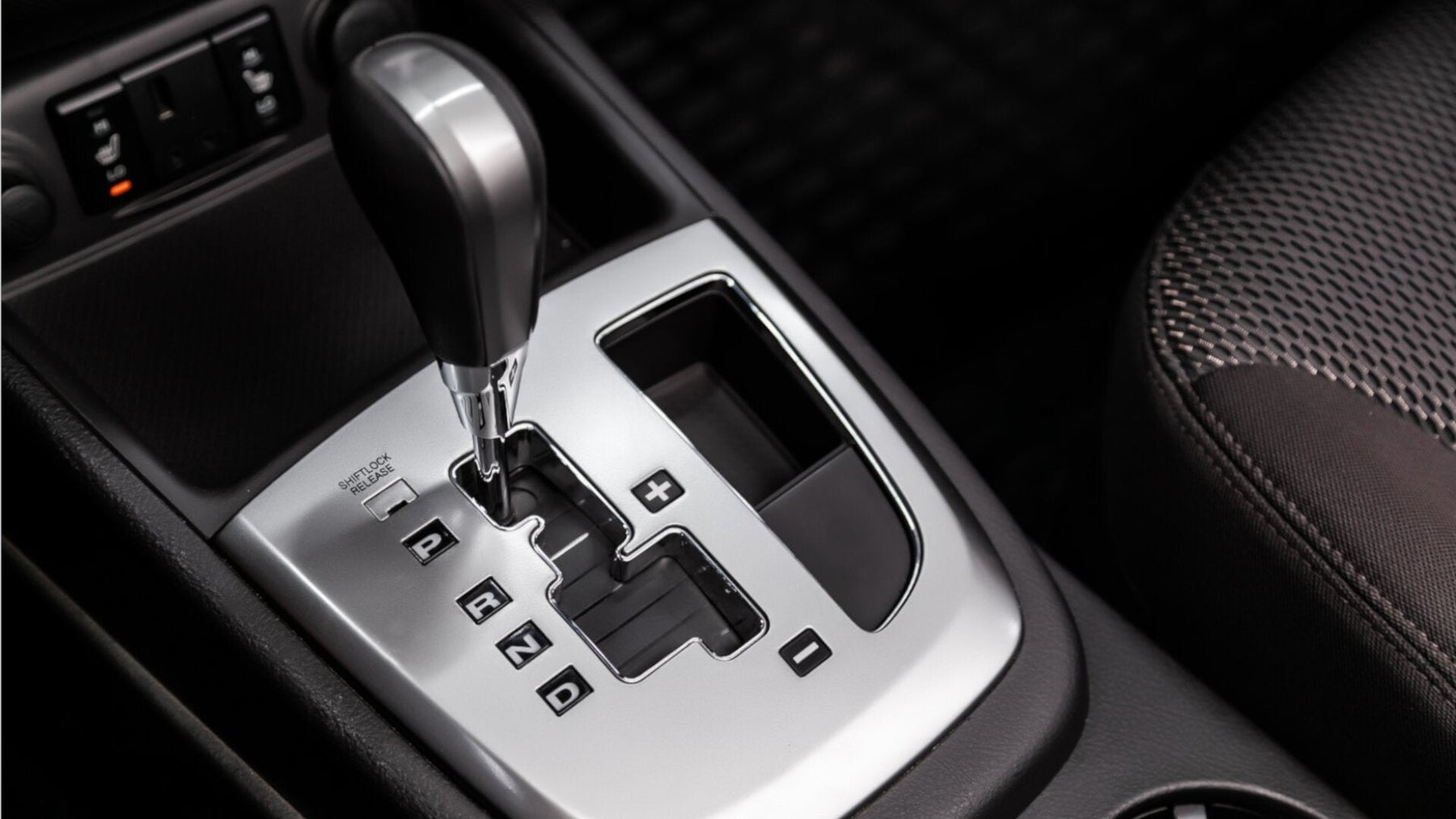
Something that was unthinkable years ago is now a reality: automatic cars now account for a significant portion of annual vehicle sales. Whether you’ve already bought an automatic or are planning to, at Ecumotorstock, we’ve put together some essential tips to help you maximize the life of your transmission and avoid expensive trips to the workshop.
This is a bad habit inherited from early automatic cars. Keeping the vehicle stationary on an incline—at a traffic light or stop sign—by feathering the gas pedal might not have been a problem years ago. However, in modern automatics, doing this causes the transmission to overheat and can lead to very costly internal damage. Use the brake instead.
Some drivers use the "R" gear as a complement to braking. While doing this once at a very low speed might not break anything immediately, habitually switching from "D" (Drive) to "R" (Reverse) before the car has come to a complete stop puts immense stress on the transmission. This will eventually lead to premature wear and failure.
There is a popular myth that putting the car in Neutral (N) while going downhill saves fuel. In modern automatics, this is completely unnecessary. Modern systems are smart enough to detect a descent and cut off fuel consumption on their own. Furthermore, "neutral coasting" is dangerous because you lose engine braking and immediate throttle response, meaning the car will take longer to react if you need to dodge an obstacle.
This is a habit born from being in a hurry. Drivers often shift the lever into "P" (Park) seconds before the car has fully stopped. Doing this forces the parking pawl (the small metal pin that locks the transmission) to engage while the gears are still turning, wearing it down prematurely and risking a snap.
Many drivers accustomed to manuals hold the brake, rev the engine, and then quickly shift to "Drive." Forget the "clutch-and-drop" maneuver. Modern automatics are designed to manage power delivery efficiently on their own. Only accelerate after you have selected Drive to avoid damaging the transmission turbine and torque converter.
The "Park" position is not a substitute for the handbrake. While it stops the car from moving, it forces the entire weight of the vehicle to rest on the transmission rather than the brakes. The correct procedure is: apply the handbrake first, let the car's weight settle, and then shift to "P".
If the Transmission Fluid (ATF) is not changed on time or the level is too low, the transmission will suffer significant wear. As a general rule, change it every 60,000 km or every two years. However, if you notice the shifter feels stiff or hear strange noises when in neutral, check the fluid condition immediately.
If your car needs to be towed, it must be in Neutral (N). If for some reason the car cannot be shifted into neutral, it must be moved using a flatbed tow truck. Towing an automatic with the drive wheels on the ground while in gear can cause catastrophic damage to the transmission, leaving a massive hole in your wallet.
{"one"=>"Select 2 or 3 items to compare", "other"=>"{{ count }} of 3 items selected"}
 ECU cloning
 ECU rental
 BCM repair
 ECU sales
 Audi
Audi
 Lexus
Lexus
Leave a comment