
Any questions?
+34 655 641 050 >
 Alfa Romeo
 Audi
Audi
 Bentley
 BMW
BMW
 Cadillac
 Chevrolet
 Chrysler
 Citroen
 Dacia
Dacia
 Daewoo
 DAF
DAF
 Dodge
Dodge
 Ferrari
 Fiat
Fiat
 Ford
Ford
 GMC
GMC
 Honda
Honda
 Hummer
 Hyundai
 Infiniti
 Iveco
Iveco
 Jaguar
 Jeep
Jeep
 Kia
Kia
 Lada
Lada
 Lamborghini
 Lancia
 Land Rover
 MAN
MAN
 Maserati
 Maybach
 Mazda
Mazda
 Mercedes Benz
 MG
MG
 Microcar
 Mini
Mitsubishi
Mini
Mitsubishi
 Multicar
 Nissan
 Opel
Opel
 Peugeot
 Porsche
 Renault
 Rover
Rover
 SAAB
SAAB
 Seat
Seat
 Skoda
Skoda
 Smart
Smart
 SsangYong
 Subaru
 Susuki
 Toyota
 Volkswagen
 Volvo
Volvo
 Immobiliser deactivation in Murcia
 Car key copying in Murcia
 Particulate filter cleaning in Murcia
 Lost car keys in Murcia
 Hybrid and electric car battery repair in Murcia
 ECU repair in Murcia
Instrument cluster repair in Murcia
ECU repair in Murcia
Instrument cluster repair in Murcia
 Electric power steering repair in Murcia
 Car key repair in Murcia
 ABS module repair in Murcia
 CAS module repair in Murcia
 FRM module repair in Murcia
 SRS module repair in Murcia
 Renault and Dacia UCH repair in Murcia
ECU remapping in Murcia
Renault and Dacia UCH repair in Murcia
ECU remapping in Murcia
 Car key cards in Murcia
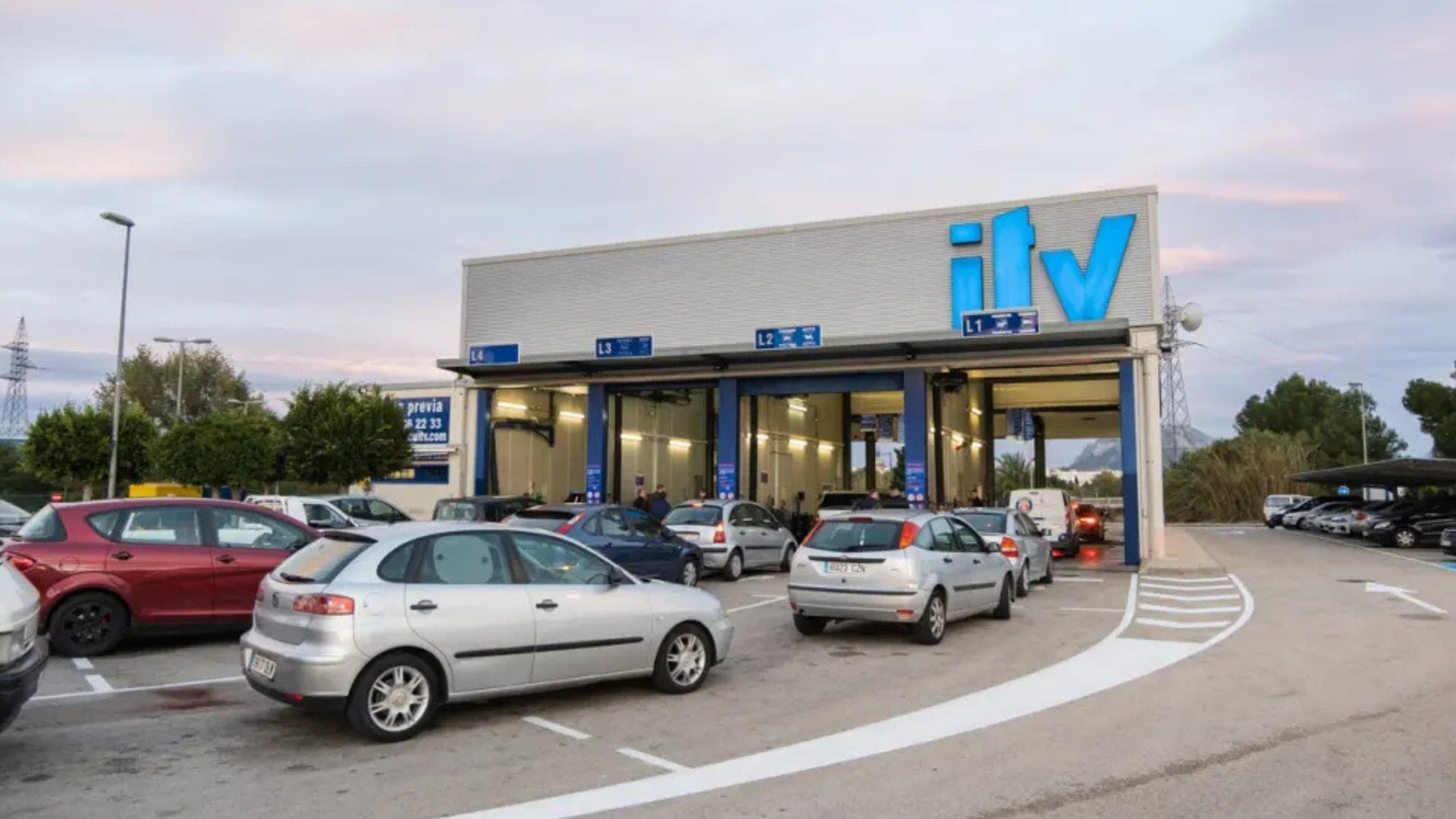
Sooner or later, all drivers have to get their vehicles inspected (ITV). And of course, if it's your first time, it's normal to have a million questions and doubts running through your head. That's why, to help new drivers, we offer these 5 useful tips that will help you pass your vehicle inspection without any major problems. Take note.
Inspectors at all ITV stations are required to follow certain standard procedures, outlined in the ITV Station Inspection Procedure Manual. This manual details the tests to be carried out, the methods to be followed, and the classification of defects found.
The inspections check the key points for the proper functioning of a vehicle, as well as its legal status. You can pass with up to two minor faults. These will be recorded on your vehicle inspection certificate (ITV card) and must be corrected to avoid future penalties.
Tips for passing your ITV inspection
1. Check for minor faults
As explained earlier, minor faults are those that allow you to pass the ITV inspection, provided there are no more than two. Three minor faults count as one major fault, and just one major fault is enough to fail the inspection.
1.1 - Lights: Did you know that 90% of failed inspections are due to faulty lights? In just two minutes, you can check if your car's lights are working correctly; if not, it's time to get to work. In addition, keep in mind that each malfunctioning light is considered a 'minor' fault. Therefore, if you have more than two non-functioning lights, you will fail the inspection.
1.2 - Check fluid levels: From the oil to the windshield washer fluid.
1.3 - Doors and windows: Do the doors and windows open and close smoothly? Do the power windows work?
1.4 - Loose or improperly fitted parts: If, for any reason, the side skirt, bumper, wheel arch liner, etc., are loose, you will need to secure them. The goal is to avoid loose or improperly secured parts.
2- Check the tires: Make sure your tires don't have cuts or bulges. Also, check that the pressure is correct.
3- Warning lights: Check that no service or malfunction indicator lights are illuminated.
4- Drive for a while: Before going for the inspection, it's recommended to drive approximately 50 kilometers. This will tune up the car's engine, and if your engine is diesel, it will eliminate some carbon buildup. This will help you reach the correct emissions levels. In the case of diesel engines, they should also be driven at higher RPMs.
5- Change the oil and air filter: This will help reduce emissions of pollutants.
Is it necessary to take it to a garage?
Many people believe it's necessary to take your vehicle to a garage for a tune-up before the inspection. However, at Ecumotorstock, we believe it's better to check the points mentioned beforehand yourself, and if any serious faults are found, have them fixed at a garage. This way, you avoid unnecessary repairs.
If you don't pass the MOT (ITV) the first time, you have one month to correct the faults found and return for the inspection at no additional cost.
Prevention is always better than cure.
"Prevention is better than cure," as the saying goes. This maxim holds true for almost everything in life, and when applied to car maintenance, it's even more so. That's why it's advisable to strictly follow the maintenance schedule established by your car's manufacturer. In addition, put the following tips into practice:
Change the brake fluid: Brake fluid is one of the components that ages more due to time than mileage. That's why it should be changed every two years.
Change the filters: The oil filter should be changed with every oil change. Otherwise, the new oil will last much less time. The fuel filter and the automatic transmission filter should also be changed approximately every four years.
Transmission fluid: We recommend changing it every 10 years for manual transmissions and every 5 years or 60,000 km for automatic transmissions.
Water pump: It can last a lifetime, but it's worth changing it to avoid problems. We recommend changing it every six years or 100,000 km.
Engine oil: We recommend changing it frequently. The maintenance manual will tell you the recommended interval. Follow it strictly.
{"one"=>"Select 2 or 3 items to compare", "other"=>"{{ count }} of 3 items selected"}
 ECU cloning
 ECU rental
 BCM repair
 ECU sales
 Audi
Audi
 Lexus
Lexus
Leave a comment