
Any questions?
+34 655 641 050 >
 Alfa Romeo
 Audi
Audi
 Bentley
 BMW
BMW
 Cadillac
 Chevrolet
 Chrysler
 Citroen
 Dacia
Dacia
 Daewoo
 DAF
DAF
 Dodge
Dodge
 Ferrari
 Fiat
Fiat
 Ford
Ford
 GMC
GMC
 Honda
Honda
 Hummer
 Hyundai
 Infiniti
 Iveco
Iveco
 Jaguar
 Jeep
Jeep
 Kia
Kia
 Lada
Lada
 Lamborghini
 Lancia
 Land Rover
 MAN
MAN
 Maserati
 Maybach
 Mazda
Mazda
 Mercedes Benz
 MG
MG
 Microcar
 Mini
Mitsubishi
Mini
Mitsubishi
 Multicar
 Nissan
 Opel
Opel
 Peugeot
 Porsche
 Renault
 Rover
Rover
 SAAB
SAAB
 Seat
Seat
 Skoda
Skoda
 Smart
Smart
 SsangYong
 Subaru
 Susuki
 Toyota
 Volkswagen
 Volvo
Volvo
 Immobiliser deactivation in Murcia
 Car key copying in Murcia
 Particulate filter cleaning in Murcia
 Lost car keys in Murcia
 Hybrid and electric car battery repair in Murcia
 ECU repair in Murcia
Instrument cluster repair in Murcia
ECU repair in Murcia
Instrument cluster repair in Murcia
 Electric power steering repair in Murcia
 Car key repair in Murcia
 ABS module repair in Murcia
 CAS module repair in Murcia
 FRM module repair in Murcia
 SRS module repair in Murcia
 Renault and Dacia UCH repair in Murcia
ECU remapping in Murcia
Renault and Dacia UCH repair in Murcia
ECU remapping in Murcia
 Car key cards in Murcia
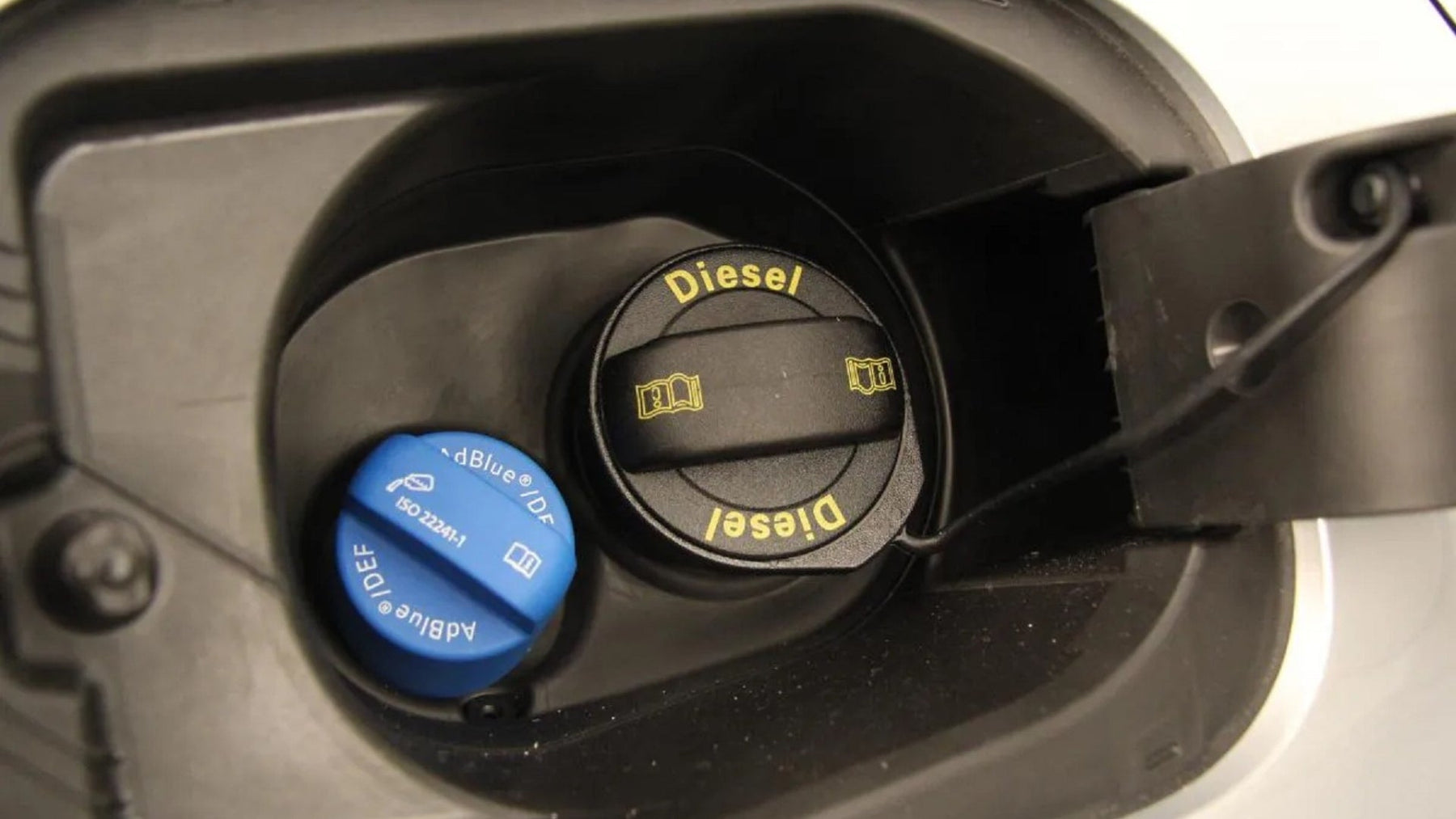
Currently, AdBlue is the most efficient solution for eliminating harmful particles from combustion in diesel engines.
It consists of an additive, mostly composed of deionized water with approximately 32.5% urea. For this reason, many people refer to AdBlue as "urea."
Over time, virtually all manufacturers have opted for this system because it is the most efficient at reducing NOx levels and thus complying with European regulations.
The combination of several components responsible for eliminating pollutants from combustion, such as the catalytic converter, the particulate filter, the EGR system, and the AdBlue additive, significantly reduces the emission of harmful gases into the atmosphere.
Every so often, EURO regulations become stricter, forcing car manufacturers to push the boundaries of technology to obtain homologation for the new vehicles they put on the market.
How does AdBlue work?
A vehicle equipped with an AdBlue system has an extra tank to store the additive, an extraction and injection system, and a control module that performs the calculations necessary for the system to function correctly.
During engine operation, a small pump draws the additive from the tank and sends it to an injector that sprays the urea into the exhaust system.
AdBlue is generally injected after the catalytic converter and before the particulate filter, so the exhaust gases are treated with this additive after having undergone pre-filtration.
It's important to remember that diesel combustion produces hundreds of toxic particles, and the only way to eliminate most of them is by combining the various emissions control systems. These are generally the EGR valve, catalytic converter, particulate filter, and additives.
Advantages and Disadvantages of AdBlue
As mentioned above, AdBlue is currently the most efficient emissions control system. However, it also has its drawbacks, since, as everyone knows, the more components a vehicle has, the greater the potential for breakdowns.
Advantages
It could be said that thanks to AdBlue, we can still go to a dealership and buy a diesel vehicle. Without this simple additive, it would be impossible to comply with Euro emissions standards.
If you own a vehicle equipped with this technology, you can rest assured that, at least for now, your vehicle meets these standards.
Disadvantages
One of the disadvantages of AdBlue is that you will have to refill the tank fairly frequently, and although the price per liter is around €0.60, it represents an additional expense on top of the cost of the fuel itself.
Depending on several factors, such as how we use our vehicle, its type, make, and model, the number of times we'll have to spend extra money to fill the urea tank will vary greatly.
Although in passenger vehicles, the tanks usually hold around 10 to 20 liters, it's undeniable that over the vehicle's lifespan, this will represent an extra expense that didn't exist before.
We've saved the worst for last: due to the characteristics of AdBlue, it's easy for the system to malfunction, as this additive tends to solidify and deteriorate the pipes and mechanisms responsible for its distribution and injection.
If you own a PSA Group vehicle, you'll know exactly what I'm talking about, since in our experience, models belonging to this group are the most affected by failures in this system.
The AdBlue control unit is capable of blocking the engine from starting.
As a safety measure, and to discourage drivers from neglecting to refill their vehicle's AdBlue tank, the electronic system can prevent the engine from starting.
This ensures that the manufacturer and the relevant authorities guarantee your vehicle will continue to comply with emissions regulations throughout its lifespan.
How to prevent AdBlue system failures?
The only way to prevent AdBlue system failures is to use your vehicle. It's that simple.
If you use your vehicle daily and take at least one long road trip every week or two, the likelihood of failures decreases.
To prevent the urea from solidifying in the lines and clogging the mechanisms, it needs to flow and be consumed. Otherwise, it will cause failures that are generally very costly to repair.
Another way to prevent system malfunctions is to keep the AdBlue tank as full as possible and not let it run dry before refilling. This will make it less likely that the AdBlue will solidify and cause problems.
They cause faults.
What to do when the AdBlue system fails?
If it's already too late for us and we're experiencing any kind of fault related to the AdBlue system, we'll have to fix it as soon as possible. Otherwise, our vehicle may stop working and be impossible to start.
The set of components that make up the anti-pollution system of a modern vehicle is extremely delicate, so it's imperative to consult qualified professionals in the field.
"At Ecumotorstock, we specialize in solving all kinds of related faults and we have the latest diagnostic and repair equipment for automobiles."
Can the AdBlue system be disabled?
Due to the high cost of repairs resulting from AdBlue system faults, many people choose to disable the system. This practice permanently solves all related faults and avoids the expense of refilling the additive.
However, this is not recommended, as emissions control systems play a vital role in protecting the environment. Furthermore, it's important to note that this type of practice is prosecuted by the authorities, so the "trick" might be detected during the vehicle inspection, forcing you to return to square one and repair the fault.
Our recommendation
We recommend that before taking any action, you consult with Ecumotorstock, where we will provide you with the best solution for your problem free of charge.
You can submit your inquiry through our website, social media, WhatsApp, email, or by phone.
{"one"=>"Select 2 or 3 items to compare", "other"=>"{{ count }} of 3 items selected"}
 ECU cloning
 ECU rental
 BCM repair
 ECU sales
 Audi
Audi
 Lexus
Lexus
Leave a comment