
Any questions?
+34 655 641 050 >
 Alfa Romeo
 Audi
Audi
 Bentley
 BMW
BMW
 Cadillac
 Chevrolet
 Chrysler
 Citroen
 Dacia
Dacia
 Daewoo
 DAF
DAF
 Dodge
Dodge
 Ferrari
 Fiat
Fiat
 Ford
Ford
 GMC
GMC
 Honda
Honda
 Hummer
 Hyundai
 Infiniti
 Iveco
Iveco
 Jaguar
 Jeep
Jeep
 Kia
Kia
 Lada
Lada
 Lamborghini
 Lancia
 Land Rover
 MAN
MAN
 Maserati
 Maybach
 Mazda
Mazda
 Mercedes Benz
 MG
MG
 Microcar
 Mini
Mitsubishi
Mini
Mitsubishi
 Multicar
 Nissan
 Opel
Opel
 Peugeot
 Porsche
 Renault
 Rover
Rover
 SAAB
SAAB
 Seat
Seat
 Skoda
Skoda
 Smart
Smart
 SsangYong
 Subaru
 Susuki
 Toyota
 Volkswagen
 Volvo
Volvo
 Immobiliser deactivation in Murcia
 Car key copying in Murcia
 Particulate filter cleaning in Murcia
 Lost car keys in Murcia
 Hybrid and electric car battery repair in Murcia
 ECU repair in Murcia
Instrument cluster repair in Murcia
ECU repair in Murcia
Instrument cluster repair in Murcia
 Electric power steering repair in Murcia
 Car key repair in Murcia
 ABS module repair in Murcia
 CAS module repair in Murcia
 FRM module repair in Murcia
 SRS module repair in Murcia
 Renault and Dacia UCH repair in Murcia
ECU remapping in Murcia
Renault and Dacia UCH repair in Murcia
ECU remapping in Murcia
 Car key cards in Murcia
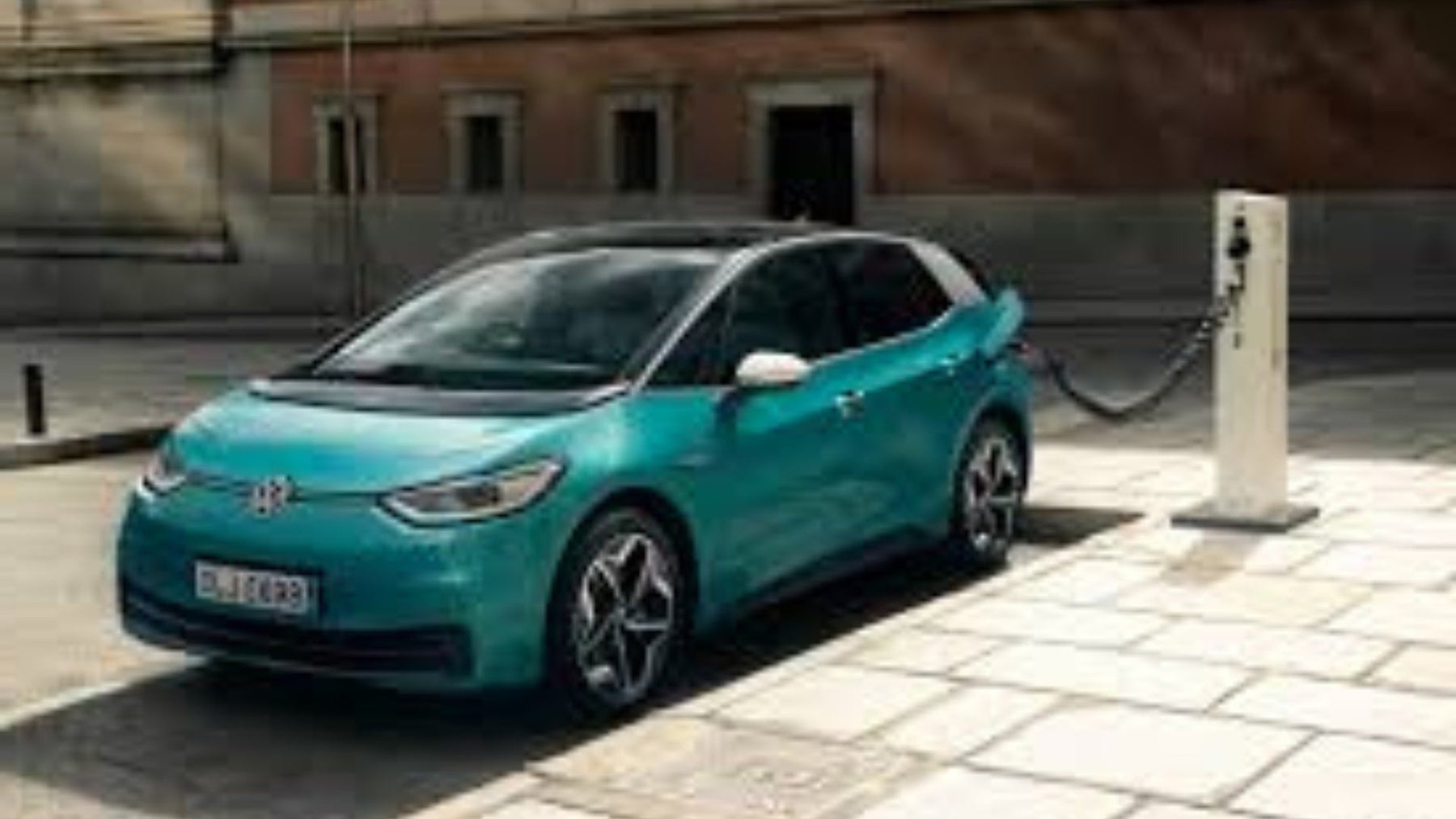
With each passing year, electric cars gain more ground in the automotive market. More people are choosing electricity as their primary mode of transport. But are they truly a serious alternative to traditional vehicles? In this post, we’ll break it down.
It might sound surprising, but the history of electric vehicles dates back to 1832. In the 19th century, inventor Robert Anderson had the brilliant idea to equip a carriage with one of the era's first electric motors. This primitive prototype was powered by a massive non-rechargeable battery and reached a "staggering" speed of about 6 km/h.
Later, between the 1830s and 1920s, electric taxis were in circulation. However, due to low demand and questionable range, they were gradually phased out by the 1930s. It wasn't until the oil crises of the 1970s that the industry looked at electric cars again. The real turning point came in the 90s with the General Motors EV1, which paved the way for the current generation of vehicles we see today.
Lower Cost per Kilometre: An electric car can consume up to three times less energy per km than a conventional one. In other words, "filling the tank" is significantly cheaper.
Zero Emissions: Electric cars emit no pollutants into the atmosphere, which helps reduce air pollution levels and improves public health.
Reliability: An electric motor is as powerful as an ICE but much more reliable. By reducing moving mechanical parts to a minimum, there are far fewer components that can fail.
Total Silence: They offer a smooth and quiet driving experience. This is due to the lack of explosions during combustion and the absence of an exhaust system.
Limited Range: While improving, the range of EVs still struggles to compete with conventional cars. You can easily move around the city, but a long-distance road trip requires careful planning.
Purchase Cost: Despite lower operating costs, the initial purchase price is much higher, largely due to the high cost of batteries.
Battery Lifespan: A battery pack typically lasts between 160,000 and 200,000 kilometres. Given their replacement cost, this is a significant disadvantage.
Charging Infrastructure: While not a major issue in cities like Madrid or Barcelona, the implementation of charging stations nationwide is still far from what is required.
Yes, as long as you use it within its natural limitations. For daily city use, commuting, or running errands, they are perfect. However, for long road trips, a traditional combustion engine is still more practical. For many, the best setup is an electric car for daily use and a combustion car for travel.
Electric cars visit the workshop less often, but they still require periodic maintenance. They have about 60% fewer parts—no clutch, no timing belt, no DPF, and no exhaust. Here is what you do need to check:
Tyres: Just like conventional cars, EVs wear out their tyres and need them replaced at similar intervals.
Brakes: EVs use regenerative braking, which means brake pads last much longer, but they still need to be inspected and eventually replaced.
Battery Coolant: This must be changed according to manufacturer specs, usually every 80,000 to 120,000 km.
{"one"=>"Select 2 or 3 items to compare", "other"=>"{{ count }} of 3 items selected"}
 ECU cloning
 ECU rental
 BCM repair
 ECU sales
 Audi
Audi
 Lexus
Lexus
Leave a comment