
¿Tienes alguna duda
+34 655 641 050 >
 Alfa Romeo
 Audi
Audi
 Bentley
 BMW
BMW
 Cadillac
 Chevrolet
 Chrysler
 Citroen
 Dacia
Dacia
 Daewoo
 DAF
DAF
 Dodge
Dodge
 Ferrari
 Fiat
Fiat
 Ford
Ford
 GMC
GMC
 Honda
Honda
 Hummer
 Hyundai
 Infiniti
 Iveco
Iveco
 Jaguar
 Jeep
Jeep
 Kia
Kia
 Lada
Lada
 Lamborghini
 Lancia
 Land Rover
 MAN
MAN
 Maserati
 Maybach
 Mazda
Mazda
 Mercedes Benz
 MG
MG
 Microcar
 Mini
Mitsubishi
Mini
Mitsubishi
 Multicar
 Nissan
 Opel
Opel
 Peugeot
 Porsche
 Renault
 Rover
Rover
 SAAB
SAAB
 Seat
Seat
 Skoda
Skoda
 Smart
Smart
 SsangYong
 Subaru
 Susuki
 Toyota
 Volkswagen
 Volvo
Volvo
 Anulación de Sistema de Bloqueo en Murcia
 Copia de Llaves Coche en Murcia
 Limpieza de Filtro de Partículas en Murcia
 Pérdida de Llaves de Coches en Murcia
 Reparación de Batería de Coches Híbridos y Eléctricos en Murcia
 Reparación de Centralitas en Murcia
Reparación de Cuadros de Instrumentos Murcia
Reparación de Centralitas en Murcia
Reparación de Cuadros de Instrumentos Murcia
 Reparación de Dirección Asistida Eléctrica en Murcia
 Reparación de Llave de Coches en Murcia
 Reparación Módulo ABS en Murcia
 Reparación Módulo CAS en Murcia
 Reparación Módulo FRM en Murcia
 Reparación Módulo SRS en Murcia
 Reparación UCH Renault y Dacia en Murcia
Reprogramar Centralita en Murcia
Reparación UCH Renault y Dacia en Murcia
Reprogramar Centralita en Murcia
 Tarjetas de Coche en Murcia
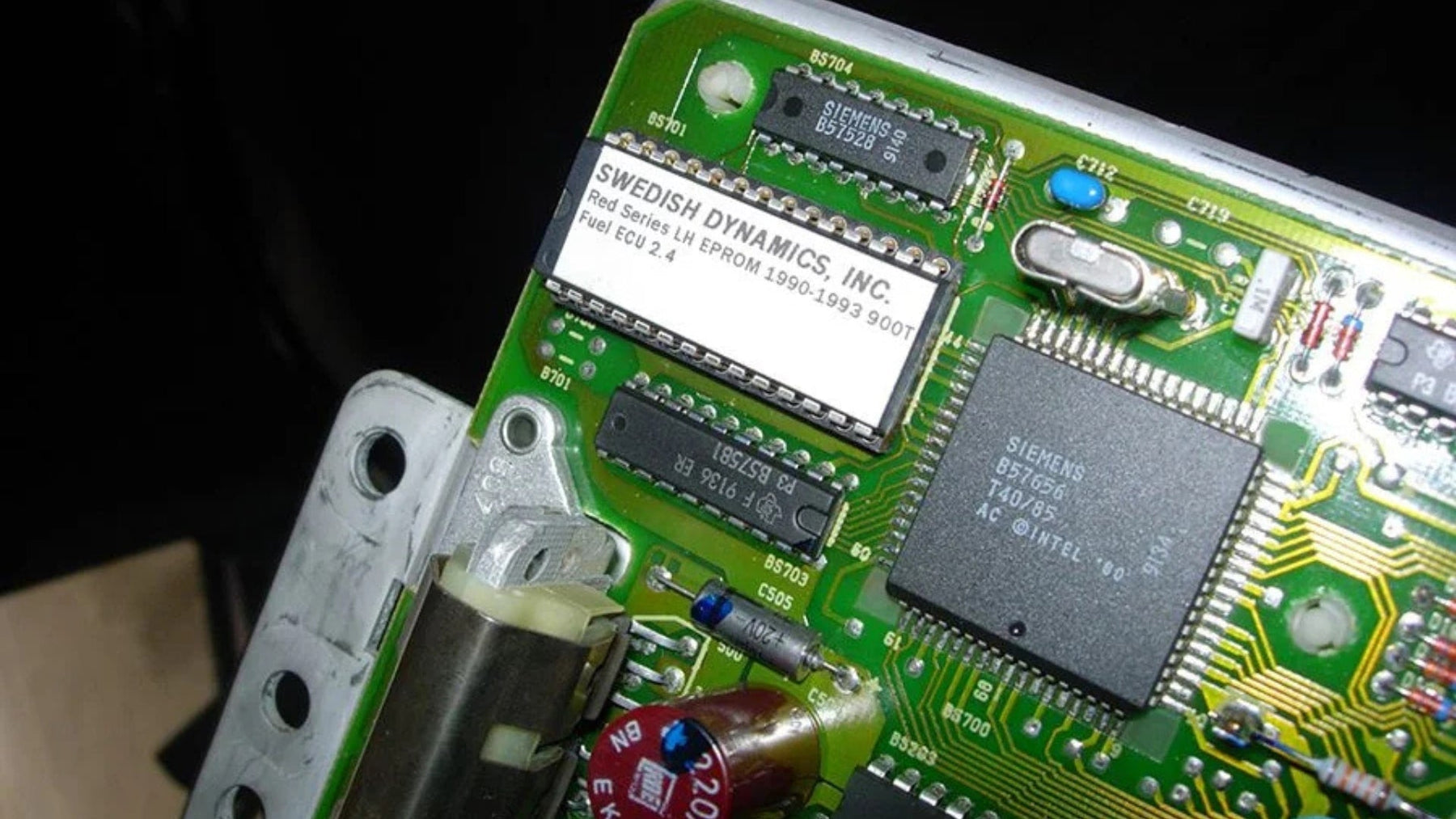
Modern automotive electronic technology allows us to modify a vehicle's performance without making physical mechanical changes. One of the most popular modifications is increasing engine power, which can be completely transformed by incorporating a single device.
However, many drivers still have doubts. Here are the answers to the 7 most common questions about performance chips.
A performance chip is a small electronic device designed to overwrite or alter the factory engine programming to achieve higher power output. While modern ECUs (Engine Control Units) are generally reprogrammable via software, external chips remain popular as they offer various possibilities for optimizing engine behavior.
Installing a chip is useful for modifying the engine's factory settings. This includes changing values such as fuel requirements, injection timing, air intake, optimal turbo boost, emission limits, and other performance parameters tailored to the driver's needs.
The chip transmits data to the car's command center to modify factory values. Specifically, the engine's air and fuel intake must be adjusted. To increase air intake, the turbocharger must increase its boost pressure, which allows the engine to generate more power, though this typically results in higher fuel consumption under heavy load.
Before maximizing your engine's power, you should weigh certain factors. First, consider your warranty; factory modifications usually void the official manufacturer’s coverage. Additionally, parts designed for specific factory temperatures and pressures may suffer premature wear if pushed beyond their original specifications.
The main advantage is gaining more horsepower and torque without mechanical overhauls. If performed by professionals, it can also lead to:
Improved fuel efficiency (under moderate driving).
Better valve timing control.
Optimized electronic throttle response.
Reduced ignition lag. Note: These changes are fully reversible; you can return the car to its original factory specifications at any time.
If the modifications are extreme, the lifespan of the engine and its components may be shortened. For instance, if injection times are extended too far, the cylinders may experience "washing"—where excess fuel strips away the lubricating oil from the cylinder walls, causing severe friction and engine wear.
If you are ready to maximize your engine's potential, costs typically range from €300 to €600 for older vehicles, and can reach up to €2,000 for high-end or latest-generation cars. Prices vary based on the type of chip, whether the engine is a Turbo Petrol or Turbo Diesel, and if the system is single or multi-channel.
{"one"=>"Select 2 or 3 items to compare", "other"=>"{{ count }} of 3 items selected"}
 Clonación de Centralitas
 Alquiler de Centralitas
 Reparación BCM
 Venta de Centralitas
 Audi
Audi
 Lexus
Lexus
Leave a comment